Author: admin

Uncategorized

Hemp-Derived CBD vs Cannabis-Derived CBD: What’s the Difference (and…

The key takeaway

CBD is the same molecule either way. If it came from “hemp” or “cannabis,” it’s still cannabidiol (CBD). What changes (and what you may actually feel) is usually everything around the CBD—like THC content, the mix of other cannabinoids/terpenes, product testing/oversight, and label accuracy. [1–4]

How The Good People Farms helps you shop with confidence:
At The Good People Farms CBD & Hemp storefront, we only carry CBD products that have batch-specific Certificates of Analysis (COAs) from third-party labs. And through The Good People Farms cannabis delivery, we only carry CBD products with COAs as well—so whether you buy in-store or order delivery, you can trust you’re getting a product that has been lab-verified. [5]


Quick comparison 

TopicHemp-derived CBDCannabis-derived CBD
What the plant is (in the U.S.)“Hemp” = cannabis plant/derivatives with ≤0.3% delta-9 THC (dry weight) under federal definition. [1]“Cannabis/marijuana” generally refers to cannabis above that THC threshold (varies by law/jurisdiction). [1]
Is the CBD chemically different?No. Same cannabidiol molecule. [3]No. Same cannabidiol molecule. [3]
Typical THC contextOften marketed as “THC-free” or “low THC,” but THC can still be present depending on formulation and labeling accuracy. [8–10]More likely to be paired with measurable THC (especially “full-spectrum” cannabis products).
Where you usually see it soldWellness retailers, online, general retail (rules vary).Licensed cannabis retailers/delivery (state rules).
Oversight/testing depends heavily on…Brand practices; federal FDA framework for CBD in supplements/foods is limited and evolving. [6–7]In regulated state cannabis systems (e.g., California), products are subject to required lab testing and COAs. [5]
The Good People Farms standardCOA required for every CBD product we stock at the storefront.COA required for every CBD product we offer via delivery. [5]
Why it may “feel different” to someoneOften less THC and fewer intoxicating cannabinoids—but variability is real. [8–10]More likely to include THC and other cannabinoids, which can change effects (including impairment).

1) “Hemp” and “cannabis” are not different species—mostly different categories

Botanically, hemp and “marijuana/cannabis” are both Cannabis sativa L. The main practical divider (in U.S. policy)has been the THC threshold used to define “hemp.” [1] Federal hemp regulations also discuss how THC compliance is measured (including uncertainty ranges in testing). [2]

Why that matters: the label “hemp-derived” often signals how the product is regulated and sold more than it signals a fundamentally different CBD. [1–2]


2) Is CBD from hemp different than CBD from cannabis?

No—CBD is CBD. Cannabidiol has a specific chemical structure and identity regardless of plant source. [3]
Once purified (or even when in an extract), the CBD molecule interacts with the body the same way, because it’s the same compound. CBD has complex pharmacology and can act on multiple biological targets—but source doesn’t change the molecule. [3–4]

So why do some people report different experiences? That’s usually about the rest of the product—especially THC levels, other cannabinoids/terpenes, and product quality.


3) Why effects can feel different (even though the CBD is the same)

A) THC and other cannabinoids can change the experience

A product can contain CBD plus varying amounts of THC and other cannabinoids. Those additional compounds can influence:

  • Perceived “strength” or impairment
  • Sleepiness vs alertness
  • Anxiety relief vs anxiety provocation (some people are sensitive to THC)

Even small, undisclosed THC can matter for sensitive users. Studies have repeatedly found THC present in a meaningful share of CBD/hemp-market products, sometimes even when labeled “THC-free.” [9–10]

B) “Full-spectrum” vs “isolate” often matters more than “hemp vs cannabis”

  • CBD isolate = mostly CBD.
  • Broad/full-spectrum = CBD plus other cannabinoids/terpenes.

Some researchers discuss a potential “entourage effect” (synergy among cannabis compounds), but the evidence is mixed and still debated—so it’s best treated as possible, not guaranteed. [11]

C) Dose and delivery method can dominate everything

A 10 mg edible, a 50 mg tincture, and an inhaled product can feel different because absorption and timing differ—not because the CBD came from hemp vs cannabis. [4]


4) Why the source can matter: quality control, testing, and label accuracy

A) FDA: CBD in foods/supplements is complicated

FDA has stated that existing pathways for CBD in foods and supplements aren’t appropriate, and that CBD (and THC) are excluded from the dietary supplement definition under federal law because CBD is an active ingredient in an approved drug. [6–7] FDA has also issued many warning letters to firms marketing cannabis-derived products with problematic health claims. [12]

B) Label accuracy problems are real in the broader CBD marketplace

Peer-reviewed studies have found mislabeling of CBD content and/or unexpected THC in commercially available CBD/hemp products. [8–10]

C) Contaminants are a real reason to demand COAs

Cannabis sativa (including hemp) can accumulate contaminants depending on soil and cultivation conditions, and studies of CBD products have found contaminants such as heavy metals/pesticides/residual solvents in some products. [13–15]
That’s whythird-party lab testing (COAs) is not a “bonus”—it’s a safety and transparency tool. [5,13–15]

D) The Good People Farms COA-only policy (what it means for you)

Because we require COAs for every CBD product we sell in the storefront and via delivery, customers can verify key safety/quality points before purchasing:

  • Cannabinoid potency (what you’re actually getting) [5,8–10]
  • Whether THC is present (and how much) [9–10]
  • Screening for contaminants (where applicable/required) [5,13–15]

5) Do hemp-CBD and cannabis-CBD “interact differently” with our bodies?

The CBD molecule does not. Same compound, same pharmacology. [3–4]
What changes your experience is most often:

  • Whether there’s THC (and how much) [9–10]
  • Whether there are other cannabinoids/terpenes (full-spectrum vs isolate) [11]
  • The dose and delivery method [4]
  • Product quality/contaminants and label accuracy [8–10,13–15]

6) Why this matters to you 

  1. Avoiding unwanted intoxication: “Hemp-derived” does not automatically mean “THC-free.” [9–10]
  2. Drug testing risk: Even compliant “full-spectrum” products can contain enough THC to trigger a positive test in some circumstances. [16–17]
  3. Medication interactions & safety: FDA and CDC note potential risks such as liver injury and drug interactions; talk with a qualified clinician if you take medications or have health conditions. [6,18–19]
  4. Confidence in what you’re taking: A batch-specific COA reduces guesswork—this is why The Good People Farms requires them for all CBD products we offer. [5,8–10]

What to look for on any CBD product:

  • Make sure the product you buy has a COA (batch-specific), from an accredited lab. [5]
  • Confirm:
    • CBD amount per serving
    • THC listed clearly (delta-9 and total THC where applicable)
    • Passing results for pesticides, heavy metals, microbes, residual solvents (when relevant) [5,13–15]
  • Be cautious with products making big health claims—FDA has flagged this repeatedly. [12]
  • Start low, go slow. Avoid driving or risky activities if there’s any chance of impairment.

Health & education disclaimers

  • This material is for education only and is not medical advice.
  • CBD can interact with medications and may pose risks for some people; consult a qualified healthcare professional, especially if pregnant/breastfeeding, managing a medical condition, or taking prescription medications. [6,18–19]
  • Follow all local laws and age restrictions. Never drive or operate machinery if impaired.

References: 

  1. CRS — The 2018 Farm Bill’s Hemp Definition and Legal Overview (R48637)
  2. eCFR — 7 CFR § 990.1 (Hemp THC compliance terms)
  3. NIH PubChem — Cannabidiol (CBD), CID 644019
  4. Naya et al. (2023) — Molecular and Cellular Mechanisms of Action of Cannabidiol (PMC)
  5. California DCC — Testing Laboratories
  6. FDA (2023) — Existing Regulatory Frameworks Not Appropriate for CBD in Foods/Supplements (Press Release)
  7. FDA (2024) — Regulation of Cannabis and Cannabis-Derived Products (Including CBD)
  8. Bonn-Miller et al. (2017) — Labeling Accuracy of Cannabidiol Extracts Sold Online (JAMA)
  9. Spindle et al. (2022) — Cannabinoid Content & Label Accuracy of Hemp-Derived Topicals (JAMA Network Open)
  10. Johnson et al. (2022) — CBD Product Contamination (PMC)
  11. Christensen et al. (2023) — Decoding the “Entourage Effect” (Biomedicines/MDPI)
  12. FDA — Warning Letters for Cannabis-Derived Products
  13. Dubrow et al. (2021) — Cannabinoids and Toxic Elements in Hemp-Derived Products (PMC)
  14. Gidal et al. (2024) — CBD Product Labeling Accuracy & Contamination Analysis (PMC)
  15. USDA ARS — Industrial Hemp and Phytoremediation (Heavy Metal Accumulation Context)
  16. U.S. DOT ODAPC — CBD Notice (Drug Testing Risk)
  17. Quest Diagnostics — Full-Spectrum CBD May Trigger Positive THC Result
  18. FDA Consumer Update (2020) — What to Know About Cannabis/CBD Products
  19. CDC (2025) — About CBD (Cannabis and Public Health)
Uncategorized

Cannabis Beverages as an Alternative to Alcohol & A…

Cannabis Beverages as an Alternative to Alcohol — and a Different Way to Enjoy THC

There’s a reason “sipping cannabis” is having a moment: for many adults, a cannabis drink can feel closer to the social ritual of having a beer, cocktail, or mocktail—without the alcohol —and without the smoke . And as more people get intentional about how they unwind, cannabis beverages have started to show up as a practical, measured option in the “I want something… just not that” category. [1][2]

Below is a clear, customer-friendly guide to what’s driving the shift, why beverages are appealing, and how to enjoy them responsibly —plus a spotlight on a few brands our Type 9 (C9-0000270) retail delivery business carries as a ready-made solution for people who want to sip their cannabis.


Why more adults are rethinking alcohol

In the U.S., self-reported alcohol consumption has been trending down, and polling shows the share of adults who say they drink has fallen to a modern low. [1] Young adults in particular have become less likely to drink than prior generations at the same age—suggesting a real cultural shift (not just a temporary trend). [2]

One big driver is health awareness. Alcohol is causally linked to increased risk of multiple cancers, and public health agencies have emphasized that cancer risk can increase even at low levels of consumption. [3][26] The World Health Organization has also stated that, when it comes to alcohol’s carcinogenic effects, evidence does not indicate a “safe” threshold. [4]

Meanwhile, the no-alcohol beverage category is forecast to keep growing because people still want the ritual, the flavor, and the “something in hand” feeling—even when they’re cutting back. [5]


Why cannabis has become a popular alternative for some people

As “California sober” and “sober-curious” lifestyles go mainstream, many adults report using cannabis as a substitute for alcohol in at least some situations. [6] Research looking at cannabis beverage consumers finds many report substituting cannabis drinks for alcohol and also report fewer alcoholic drinks per week. [7] In a survey-based study highlighted by researchers, nearly two-thirds of cannabis beverage consumers reported they reduced or stopped alcohol use as a result of using cannabis beverages. [8]

Important note: “Substituting” does not mean “risk-free.” Cannabis is still an intoxicant, and it isn’t right for everyone. [11]


Why some people want an alternative to smoking cannabis

A second shift is about lungs and comfort.

Public health guidance is clear that smoked cannabis can harm lung tissue, and research has associated regular cannabis smoking with worse respiratory symptoms and more frequent chronic bronchitis episodes. [9][10] So for some people, the motivation is simple:They want cannabis effects, but they don’t want smoke in their routine. [9][10]

That’s where beverages can fit beautifully : no smoke, no ash, no odor cloud, and a familiar “sip-and-chill” format.


Why beverages feel different than a brownie

(and why “Go Slow” matters)

Even though cannabis beverages are often grouped under “edibles,” the experience can differ.

Edible effects can take 30 minutes to 2 hours to be felt —one big reason accidental overconsumption happens: people assume it “isn’t working” and take more too soon. [11]. NIDA also notes effects from foods/beverages are delayed compared with inhalation because the product must be digested first. [12]

The Good People Farms rule for new consumers:

Start low.  Go slow.  Wait before you add more. 

And one more big one: never drive while impaired. The safest option, if you plan to drive, is not to use cannabis (or alcohol). [27][28]


Spotlight: Uncle Arnie’s — built for “sipping cannabis” 

Uncle Arnie’s launched its cannabis beverage line in May 2020. [13] Their brand positioning is straightforward: zero alcohol, bold flavors, and an experience designed to be enjoyed like a normal beverage. [14]


Uncle Arnie’s Flavor lineup + THC options : (so customers can choose their lane)

100mg THC (8oz bottles) — “the original heavy hitters”

Flavors include: Iced Tea Lemonade, Smackin’ Apple, Sweet Peach Iced Tea, Pineapple Punch, and Watermelon Wave. [15]

100mg THC (2oz shots) — compact + bold

Shot flavors include: Blueberry Nightcap (CBN), Strawberry Kiwi, Sunrise Orange, and Magic Mango. [16]

10mg THC Singles — “friendlier dose”

For lighter, more sessionable sipping: Iced Tea Lemonade, Cherry Limeade, Watermelon Wave, and Zen Green Tea. [17]


Nano tech (and why it matters)

Uncle Arnie’s states its products use an organic nano emulsion crafted by Vertosa, described as transforming cannabis oil into a water-compatible form. [19] They describe using sound waves to break THC particles into smaller sizes, which can support quicker absorption. [19]

From a broader public-health perspective, researchers note cannabis beverages are often marketed around rapid absorption and “more controllable” effects compared with traditional edibles—though dose still matters a lot. [24]

Uncle Arnie’s described onset: about 20–40 minutes. [14] (As always, onset varies person to person.) [11][12]


Dosing made practical (especially for 100mg bottles)

Uncle Arnie’s provides a dosing guide that supports a go-slow approach:

  • 8oz bottles: 4 capfuls ≈ 10mg THC [21]
  • 2oz shots: 2 capfuls ≈ 10mg THC [21]

This makes higher-dose products easier to portion responsibly. [11][21]


What they’re made with

Uncle Arnie’s notes their beverages are infused with THC distillate, formulated for consistent quality and affordability. [18] They also describe differences between live resin and distillate formulations, including terpene/cannabinoid profile and experience positioning. [20]


Packaging: glass, cans, and recycling

Uncle Arnie’s explains why some products are in glass and others in cans:

  • They state glass retains 90%+ of its original potency once produced, while other materials may see potency loss over time. [22]
  • They encourage reuse/recycle, and position cans as recyclable and cost-effective at scale (supporting affordability). [22]
  • They note improved can technology designed to minimize potency reduction. [22]

Ways to enjoy (aka: replace the cocktail ritual)

Suggested styles include:

  • Drink it straight (especially 10mg products designed to drink from the can). [23]
  • Mix it into other beverages (smoothies, lemonade, sparkling water, etc.). [23]
  • “Cannatails” + “high-cubes” (freeze measured portions into ice cubes. [23]

The Good People Farms “Sip Smart” Checklist: 

  • Start low, go slow. Begin with a small amount and wait before increasing. [11][12]
  •  Respect high-dose beverages (like 100mg). Use measured servings. [21]
  • Don’t mix cannabis + alcohol if you want predictable effects; combining intoxicants can increase impairment risk. [29]
  • Don’t drive after using cannabis—plan a ride. [27][28]
  • Store safely: out of reach of kids and pets, and follow label instructions. [11]

Medical + Educational Disclaimer 

This article is for educational purposes only and is not medical advice. Cannabis affects everyone differently. Talk to a licensed healthcare professional before using THC products—especially if you are pregnant or breastfeeding, have a medical condition, or take prescription medications. Do not use cannabis products if it is illegal for you to do so, and always follow local/state regulations. If you feel unwell after consuming cannabis, seek medical help if needed.


References

  1. Gallup — “U.S. Drinking Rate at New Low as Alcohol Concerns Surge.”
  2. Gallup — “Young Adults in U.S. Drinking Less Than in Prior Decades.”
  3. U.S. Dept. of Health & Human Services — Surgeon General: “Alcohol and Cancer Risk.”
  4. World Health Organization (Europe) — “No level of alcohol consumption is safe for our health.”
  5. IWSR — “Key statistics and trends for the US no-alcohol market.”
  6. Brown University news release — study findings on cannabis reducing urge for alcohol / alcohol consumption in a lab setting.
  7. PubMed — Kruger et al., “The Exploration of Cannabis Beverage Substitution for Alcohol…”
  8. University at Buffalo news release — cannabis beverage consumers reporting reduced/stopped alcohol use.
  9. CDC — “Cannabis and Lung Health.”
  10. National Academies — The Health Effects of Cannabis and Cannabinoids, Respiratory Disease chapter conclusions.
  11. CDC — “Cannabis and Poisoning” (edibles: 30 minutes to 2 hours; overconsumption risk).
  12. NIDA — “Marijuana” (effects delayed when consumed in foods/beverages).
  13. Uncle Arnie’s product information sheet (launch timing).
  14. Uncle Arnie’s product information sheet (positioning, zero alcohol, onset, nano tech notes).
  15. Uncle Arnie’s product information sheet (100mg THC 8oz flavors).
  16. Uncle Arnie’s product information sheet (100mg THC 2oz shot flavors).
  17. Uncle Arnie’s product information sheet (10mg THC singles flavors).
  18. Uncle Arnie’s product information sheet (distillate + consistency/affordability positioning).
  19. Uncle Arnie’s product information sheet (nano emulsion / water-compatible description).
  20. Uncle Arnie’s product information sheet (live resin vs distillate notes).
  21. Uncle Arnie’s product information sheet (capful dosing guidance).
  22. Uncle Arnie’s product information sheet (packaging: glass, cans, recycling, potency notes).
  23. Uncle Arnie’s product information sheet (ways to enjoy / mixing ideas).
  24. LoParco et al. (2024) — public health considerations on THC beverages / “rapid absorption” marketing.
  25. National Cancer Institute — “Alcohol and Cancer Risk” fact sheet.
  26. CDC — “Cannabis and Driving.”
  27. NHTSA — “Understanding How Marijuana Affects Driving.”
  28. CDC MMWR — co-use of marijuana and alcohol increases impairment risk.
Uncategorized

What “Big Pharma” Patents Signal About Cannabis’ Medicinal Potential…

When numerous large pharmaceutical companies file patents related to synthetic cannabinoids and cannabinoid-receptor medicines, it’s a strong signal that cannabis chemistry is not just cultural—it’s drug-relevant biology with plausible medical utility. A patent is not medical proof, but it does reflect serious scientific and commercial investment in cannabinoid-based therapeutics. [1][2]

Important FDA context (disclaimer up front): The FDA has not approved marijuana (the plant) as a treatment for any medical condition. However, the FDA has approved specific cannabinoid medicines (including a cannabis-derived cannabidiol drug and certain synthetic cannabinoid drugs) for specific medical uses, meaning those particular products met FDA standards for safety and effectiveness for their labeled indications. [3][4]

So what does it mean when big pharma patents in this space—even while cannabis remains restricted under federal law in many forms? It means the medical and commercial worlds are preparing for the reality that cannabinoid-based therapies have acknowledged, evidence-supported benefits in specific contexts, and that standardized cannabinoid medicines are a long-term category worth building. [3][5]

__________________________________________________________________________

Educational + FDA disclaimer 

Educational disclaimer: This material is for educational purposes only and is not medical advice. Individual responses vary. Consult a licensed healthcare professional before use, especially if you are pregnant or nursing, have a medical condition, or take medications.

FDA disclaimer: The FDA has not approved marijuana (cannabis) as a treatment for any disease or condition. The FDA has approved certain cannabinoid-based prescription medicines for specific indications. This content does not claim to diagnose, treat, cure, or prevent any disease.


What Patents Actually “Validate” – and What They Don’t

What patents do signal

To receive a patent, an applicant must describe an invention with a specific and substantial utility, and that utility must be credible to someone skilled in the field. [1] In plain English: if a company files cannabinoid patents, it’s because they believe they can credibly claim a real-world therapeutic use for a specific invention (like a molecule, formulation, or method of treatment). [1]

That doesn’t prove a product works for patients—but it does signal cannabinoid biology is medically plausible and worth serious R&D. [1]

What patents don’t prove

A patent is not the same as FDA approval. Patent examination is not a clinical trial process, and a patent grant is not a finding that a therapy is safe or effective in people. [1][3]

Also, a patent does not automatically grant the right to sell a product. A U.S. patent is primarily a right to exclude others from making/using/selling the claimed invention—regulatory approval and legal compliance are separate issues. [2][6]


Why Big Pharma Files Synthetic Cannabis Patents

Pharmaceutical companies generally aren’t trying to “patent the cannabis plant.” Instead, they patent human-made inventions that can become standardized medicines. The motivations usually look like this:

  1. Precision and repeatability (medicine requires consistency).
    Drug development is built around exact dosing, stable formulations, and predictable effects. Synthetic or highly standardized cannabinoid medicines are designed for reproducibility in a way plant material can struggle to match. [3][4]
  2. Regulatory alignment.
    FDA drug approval requires well-controlled studies, consistent manufacturing, and defined active ingredients—features that align naturally with single-molecule or tightly specified cannabinoid products. [3][4]
  3. Commercial protection for expensive R&D.
    Developing a drug is costly. Patents provide time-limited exclusivity that helps justify investment in trials, manufacturing scale-up, and regulatory filings. [6]
  4. Strategic “future-proofing.”
    Even where cannabis access is restricted federally in many forms, FDA-approved cannabinoid medicines already exist—so companies continue building IP portfolios in anticipation of expanded cannabinoid-based therapeutic markets. [3][4]

Examples of “Big Pharma” Patent Activity in Cannabinoid Medicines

Below are examples of cannabinoid-related patent publications associated with major pharmaceutical companies (illustrative, not exhaustive):

  • Sanofi: CB2 receptor agonist compounds (immunomodulating drug preparation). [7]
  • Pfizer: cannabinoid receptor ligands and uses thereof. [8]
  • Merck (Merck Sharp & Dohme): cannabinoid receptor ligands (anti-inflammatory/immunomodulatory activity described). [9][10]
  • Glaxo (GSK): CB2-related modulators for disease treatment (pain and cannabinoid-receptor activity referenced). [11]
  • Bristol Myers Squibb: CB1 receptor antagonists. [12]
  • Abbott (Abbott Laboratories): indoles as cannabinoid receptor ligands. [13]

These patents reflect a common theme: pharma is often targeting the endocannabinoid system (CB1/CB2 and related pathways) in drug-like ways (selective, doseable, consistent). [1][7–13]


Even Though It’s Not Federally Legal, There Are Acknowledged Medical Benefits

  • Cannabis as a general category is not FDA-approved medicine. [3][4]
  • Specific cannabinoid-based medicines have been FDA-approved for specific indications (including purified cannabidiol and synthetic cannabinoid drugs). [3][4]
  • Independent evidence reviews have found conclusive or substantial evidence for cannabis/cannabinoids in certain therapeutic contexts, including chronic pain in adults, chemotherapy-induced nausea/vomiting (oral cannabinoids), and MS spasticity symptoms (oral cannabinoids). [5][14]

Taken together, this is why pharma patenting matters: it’s not a “stamp of approval” on every cannabis claim—but it is a real-world acknowledgment that cannabinoids are medically relevant enough to justify both clinical developmentand IP strategy. [1][3][5]

___________________________________________________________________________

References 

  1. USPTO — MPEP 2107 Utility Requirement (credible, specific, substantial)
    https://www.uspto.gov/web/offices/pac/mpep/s2107.html
  2. USPTO — Patent essentials: patents are a right to exclude
    https://www.uspto.gov/patents/basics/essentials
  3. FDA — Cannabis: Research and Drug Approval Process
    https://www.fda.gov/news-events/public-health-focus/fda-and-cannabis-research-and-drug-approval-process
  4. FDA — Regulation of Cannabis and Cannabis-Derived Products (including CBD)
    https://www.fda.gov/news-events/public-health-focus/fda-regulation-cannabis-and-cannabis-derived-products-including-cannabidiol-cbd
  5. National Academies — The Health Effects of Cannabis and Cannabinoids (2017) overview
    https://www.nationalacademies.org/publications/24625
  6. USPTO — Managing a patent (patent doesn’t grant right to use; “right to exclude”)
    https://www.uspto.gov/patents/basics/manage
  7. Sanofi — US6013648A “CB2 receptor agonist compounds” (Google Patents)
    https://patents.google.com/patent/US6013648A/en
  8. Pfizer — US7176210B2 “Cannabinoid receptor ligands and uses thereof” (Google Patents)
    https://patents.google.com/patent/US7176210B2/en
  9. US7507767B2 “Cannabinoid receptor ligands” (Google Patents)
    https://patents.google.com/patent/US7507767B2/en
  10. US7067539B2 “Cannabinoid receptor ligands” (Google Patents)
    https://patents.google.com/patent/US7067539B2/en
  11. Glaxo — US20070129367A1 “Pyridine derivatives as CB2 receptor modulators” (Google Patents)
    https://patents.google.com/patent/US20070129367A1/en
  12. Bristol Myers Squibb — US7452892B2 “CB1 antagonists” (Google Patents)
    https://patents.google.com/patent/US7452892B2/en
  13. Abbott — US7560481B2 “Indoles are cannabinoid receptor ligands” (Google Patents)
    https://patents.google.com/patent/US7560481B2/en
  14. Abrams (2018) PubMed — “The therapeutic effects of Cannabis and cannabinoids”
    https://pubmed.ncbi.nlm.nih.gov/29325791/
Uncategorized

The Evolution of Cannabis Concentrates: From Ancient Hash to…

1. What are cannabis concentrates exactly?

Cannabis concentrates are products made by separating and concentrating the plant’s resin from cannabis glandular trichomes—the primary site where cannabinoid- and terpene-rich resins are produced and stored—while removing most of the plant material. [1–3]

Because you’re concentrating those active compounds, many modern concentrates can test far higher in THC than typical flower, and some can reach very high potency (including up to ~90% THC in certain extract types). [2–4] That’s why a very small amount can feel like a lot.

Concentrates can appear as:

  • Dry or pressed solids (hash, kief)
  • Glassy or sticky extracts (shatter, wax, crumble)
  • Thick oils (live resin, distillate)

Even though today’s dab rigs and vape devices look ultra-modern, the idea of concentrating cannabis resin has deep roots.


2. A brief timeline: how concentrates evolved

2.1. Traditional resin and hashish (historical roots)

Across multiple regions and eras, people have collected and pressed cannabis resin into hashish and related forms—often using hand-rubbing or sieving methods. [5–6]

2.2. Hashish enters Western awareness (late 1700s–1800s)

Historical accounts describe a major point of Western exposure during and after Napoleon’s Egypt campaign (late 1790s), followed by continued European curiosity and documentation in the 1800s. [5]

2.3. The rise of modern solvent extracts and BHO (1990s–2000s)

In the late 1990s and 2000s, solvent-based concentrates became much more common in North America—including butane hash oil (BHO), which can produce products sold as shatter, wax, budder, and more. [4]

A key safety note: uncontrolled/DIY butane extraction has been associated with serious fires and burn injuries. [4] Legal-market manufacturing is designed to reduce these risks through regulated facilities and testing requirements (including residual solvent testing). [2,4]

2.4. CO₂, distillate, and precision formulations (2000s–2010s)

As the industry matured, producers increasingly adopted supercritical CO₂ extraction, a high-pressure method used in other industries (including coffee decaffeination research). [7–8] This period also expanded “precision” products such as:

  • CO₂ oils used in early vape formats
  • Distillate, where the final product is highly refined and often dominated by a single cannabinoid (commonly THC), sometimes described as extremely high purity depending on the process. [9]

2.5. The solventless renaissance: ice water hash and rosin (mid-2010s–today)

Consumer demand for “solventless” products helped drive modern popularity of:

  • Ice water hash (bubble hash), which uses cold water and agitation to physically separate trichome heads through a series of mesh screens. [10]
  • Rosin, made by pressing resin from flower or hash using heat and pressure (no added solvent). [11]

2.6. Spotlight: Blessed Extracts 

One of the most exciting parts of today’s concentrate evolution is the rise of high-skill, small-batch manufacturing—and we’re lucky to have that story right here in our own community.

Who Our Neighbors Are

  • Blessed Extracts is based in Davis, California, with their brand describing an expansion to a7,500 sq. ft. lab space in Davis and a focus on small-batch live and cured resin products. [12]
  • Blessed emphasizes working closely with small farms and maintaining “culture, quality, and connection” as core values. [14]

What Blessed Makes 

Blessed highlights several concentrate categories that map directly onto the modern “flavor-first” era:

  • Live Resin: made using cannabis that is flash-frozen at harvest and kept frozen through transport/extraction, a method intended to preserve more of the plant’s original aromatic compounds (terpenes). [14]
  • Cured Resin: made from dried and cured cannabis prior to extraction. [14]
  • Vape formats: Blessed describes high-quality vape pens, and also markets 100% live resin vape cartridges(including statements that they use live resin rather than distillate-based fillers). [12,15]
  • Additional listed lines include “Full Spectrum Oil” and related concentrate formats on their product pages. [16]

Award-winning status

Blessed is not only locally rooted—they’re also award-recognized. A published Emerald Cup winners list shows “Susie Q Live Budder — Blessed Extracts” as #1 in the “CBD – Concentrates” category (2019). [17]

Why The Good People Farms is featuring Blessed

The Good People Farms is proud to feature another Davis-based cannabis business in our storefront so customers can learn about Blessed Extracts and what “live,” “cured,” and high-terpene concentrates actually mean in real life. Their products are available through The Good People Farms Type 9 delivery service (where legal for the customer), so you can explore the category with education first—and purchasing through compliant delivery. [12–16]


3. Today’s concentrates: types and how people use them

Below is a simple, customer-friendly overview of major concentrate types and how adults commonly consume them in legal markets.

3.1. Hash and kief (old-school classics)

What they are:

  • Kief: loose trichomes collected from screens or grinders
  • Hash: trichomes/kief pressed into blocks, coins, or similar forms

Common methods:

  • Sprinkled on flower in a bowl, bong, or joint
  • Smoked alone in a pipe or mixed with flower

3.2. Hydrocarbon extracts (shatter, wax, crumble, budder)

What they are: concentrates made using solvents like butane/propane and then purged as part of a controlled manufacturing process. [2,4]

Safety note: DIY butane extraction has been linked to burn injuries and fire risk. [4]

3.3. Live resin and live rosin (fresh-frozen flavor)

“Live” generally refers to using cannabis that is frozen shortly after harvest to better preserve aromatic compounds.

  • Live resin: typically solvent-based (often hydrocarbon)
  • Live rosin: solventless, typically pressed from ice water hash [10–11]

3.4. Distillate oils and vape cartridges

What it is: distillate is commonly described as an extract refined so the final product is dominated by a single cannabinoid (often THC), sometimes marketed as extremely high purity. [9]

Common methods:

  • Vape cartridges and disposables
  • Edibles/capsules/tinctures when formulated into those products

4. How concentrates can feel compared to flower and edibles

Everyone’s body and brain are different—these are general patterns.

4.1. Inhaled concentrates vs. smoking flower

Inhalation delivers cannabinoids through the lungs, leading to rapid absorption and fast onset compared with oral use. [3]

Because concentrates can be very potent, it can be easier to “overshoot” your comfort zone—especially for newer or sensitive consumers. [2]

4.2. Concentrates vs. edibles

Edibles deliver cannabinoids through digestion, so effects commonly take 30 minutes to 2 hours to feel and can last longer than expected. [18–19] Oral use also produces higher levels of 11-hydroxy-THC (11-OH-THC), an active metabolite associated with edible experiences. [3,20]

Public-health guidance consistently emphasizes: start low and go slow with edible products. [18–19]


5. Key educational takeaways for our customers

  • Concentrates can be extremely potent. Some extract types are reported up to ~90% THC. [4]
  • Inhaled = faster onset than edibles. [3]
  • Edibles take longer to feel (often 30 minutes to 2 hours). [18–19]
  • High-THC exposures can increase the chance of unpleasant effects (like anxiety and acute impairment), especially for newer consumers. [2]
  • Licensed, lab-tested products only. Avoid DIY extraction—especially with butane—due to documented injury risk. [4]

6. Final thoughts

From traditional resin collection to modern live resin, rosin, and precision oils, concentrates reflect both cultural history and rapid technical evolution. The most important customer takeaway is simple: concentrates deserve informed, careful dosing and tested, regulated sourcing—and we’re proud to spotlight Davis-based makers like Blessed Extracts as part of that education.


Important FDA & Safety Disclaimers

  • These statements have not been evaluated by the Food and Drug Administration (FDA).
  • Cannabis and cannabis concentrates are not intended to diagnose, treat, cure, or prevent any disease.
  • This content is for educational purposes only and does not substitute for professional medical advice, diagnosis, or treatment.
  • Always consult a qualified healthcare professional with questions about your health, medications, or possible interactions before using cannabis.
  • Cannabis remains illegal under U.S. federal law. Availability, legality, and regulations vary by state and local jurisdiction. Adults should follow all applicable laws where they live or visit.

References 

  1. Zager, J.J., et al. (2019). Gene Networks Underlying Cannabinoid and Terpenoid Accumulation in Cannabis.Plant Physiology.
  2. National Institute on Drug Abuse (NIDA). Marijuana Concentrates DrugFacts (PDF).
  3. Huestis, M.A. (2007). Human Cannabinoid Pharmacokinetics. Chemistry & Biodiversity (full text on PMC).
  4. Bell, C., et al. (2015). Butane Hash Oil Burns Associated with Marijuana Liberalization in Colorado. (PMC).
  5. Yale University Press (Yale Books). Cannabis and Hashish in the West: The Colonial Origins (Napoleon-era context).
  6. Ghiabi, M. (2018). Islam and cannabis: Legalisation and religious debate in Iran. (PMC)
  7. Rovetto, L.J., & Aieta, N.V. (2017). Supercritical carbon dioxide extraction of cannabinoids from Cannabis sativa L. Journal of Supercritical Fluids.
  8. Hiraga, Y., et al. (2025). Efficient decaffeination of green coffee beans using supercritical CO₂… (ScienceDirect).
  9. Weedmaps Dictionary. Distillate (definition and typical purity range claims).
  10. Weedmaps Dictionary. Ice water hash (ice hash) definition and process.
  11. (Solventless background) Weedmaps Dictionary and related educational resources on rosin/solventless processing.
  12. Blessed Extracts. About Us (Davis lab, product focus, award-winning claim).
  13. Blessed Extracts. Collaborations (tolling services since late 2017).
  14. Blessed Extracts. Blessed Extracts Story and Education (PDF provided to The Good People Farms) 
  15. Blessed Extracts. Live Resin Vape Carts (100% live resin positioning).
  16. Blessed Extracts. Products (product line categories).
  17. 2019 Emerald Cup Winners (PDF): “CBD – Concentrates: #1 Susie Q Live Budder — Blessed Extracts.”
  18. CDC. Cannabis and Poisoning (edible onset timing guidance).
  19. CDC. Cannabis FAQ (edible overconsumption/onset notes).
  20. Swortwood, M.J., et al. (2016). Notes on THC metabolism to 11-hydroxy-THC in controlled administration contexts (PMC article discussing metabolites). 
Uncategorized

Meet Your Endocannabinoid System: What It Is & What…

Published & Adapted with Permission from GreenBee Botanicals, Original Authors of This Blog Post.

If you’re like most people on the planet, you didn’t learn in anatomy class that humans, like all vertebrates — from the clownfish to the kangaroo — have an endocannabinoid system (ECS) that regulates your body’s other systems and organs. But yes, you do indeed have an endocannabinoid system!

By the way, since many people ask us, and it’s a tough word to say, here’s how to pronounce endocannabinoid system: ˌen-dō- kə-ˈna-bə-ˌnȯid ˈsi-stəm (emphasis on the NA in canNAbinoid).

The purpose of the endocannabinoid system

What does the endocannabinoid (ECS) system do? The whole point of your ECS is to maintain homeostasis, orbalance, throughout your body. Think of your ECS as a wise internal communicator, working to keep everything in balance and functioning smoothly, from sleep and appetite to mood and inflammation.

For example, when your body temperature gets too cold or too hot, your ECS kicks in by sending endocannabinoids to bind with and instruct receptors to bring your temperature back to normal. 

In essence, your ECS is in charge of keeping you feeling well. 

What is the endocannabinoid system responsible for? 

Your ECS controls many of your body’s most crucial functions, including, among others: 

  • Skin and nerve function
  • Inflammation and immune response
  • Pain
  • Appetite, digestion, metabolism
  • Sleep and energy level
  • Mood, stress, anxiety 
  • Memory and learning
  • Reproduction and fertility
  • Muscle and bone growth

If your body isn’t functioning optimally in any of these areas, you may not be producing enough endocannabinoids, for a variety of reasons (more on that later). This is when you might consider supplementing with phytocannabinoids — phyto meaning plant-based — such as CBD, CBDa, CBG, CBN, and dozens of others, which are found in abundance in cannabis and hemp.  

(Side note: Cannabis and hemp are actually the same plant species, Cannabis sativa L. The key difference is how much THC each contains. In the US, hemp can contain only trace amounts of THC, 0.3% or less.)

When was the endocannabinoid system discovered?

If you hadn’t heard of the endocannabinoid system before, it’s likely because it was only discovered relatively recently. In fact, one of the most common Google searches related to the ECS is: “Is the endocannabinoid system real?”

Yes, it’s real. It’s hard to believe that in this day and age of modern medicine, new (or misunderstood) bodily systems and organs are still being discovered. But they are! Did you catch the headline news in 2017 that scientists ‘discovered’ a new organ in the gut called mesentery?

Similar to the mesentery, your endocannabinoid system isn’t new; researchers just hadn’t figured it out yet. Scientists estimate that the human body developed the endocannabinoid system more than 600 million years ago.

Read on to understand what the endocannabinoid system is and does.

What is the endocannabinoid system, exactly?

The endocannabinoid system explained: The ECS is one of your body’s biological systems and is made up of three main components: 

  1. Endocannabinoids, short for endogenous cannabinoids, are neurotransmitters naturally produced by your body as needed to keep internal functions running smoothly. 
  2. Cannabinoid receptors are sensitive molecules that bind with cannabinoids, whether made by your body or a plant, and respond by signaling your body to take action, such as telling your immune cells to calm inflammation.
  3. Regulatory enzymes break down the cannabinoids once they’ve carried out their function. 

Together, these endocannabinoids, receptors, and enzymes create a complex communication system in charge of keeping pretty much everything in your body in check. The ECS is the master regulator for every major system in the body, from the nervous, respiratory, digestive, and endocrine systems, to the reproductive, lymphatic, and immune systems.

“This signaling system has a recognized activity on nervous system development, synaptic plasticity, learning and memory, neuroinflammation, pain and neurodegeneration, stress responsivity, mood and behavior, food intake and metabolism, reproduction, fertility and pregnancy, immune response, cardiac functions, cancer progression, and so much more,” writes Dr. Rosaria Meccariello in the International Journal of Molecular Sciences.

The ECS also regulates our integumentary system, a.k.a. our skin, our body’s largest organ.

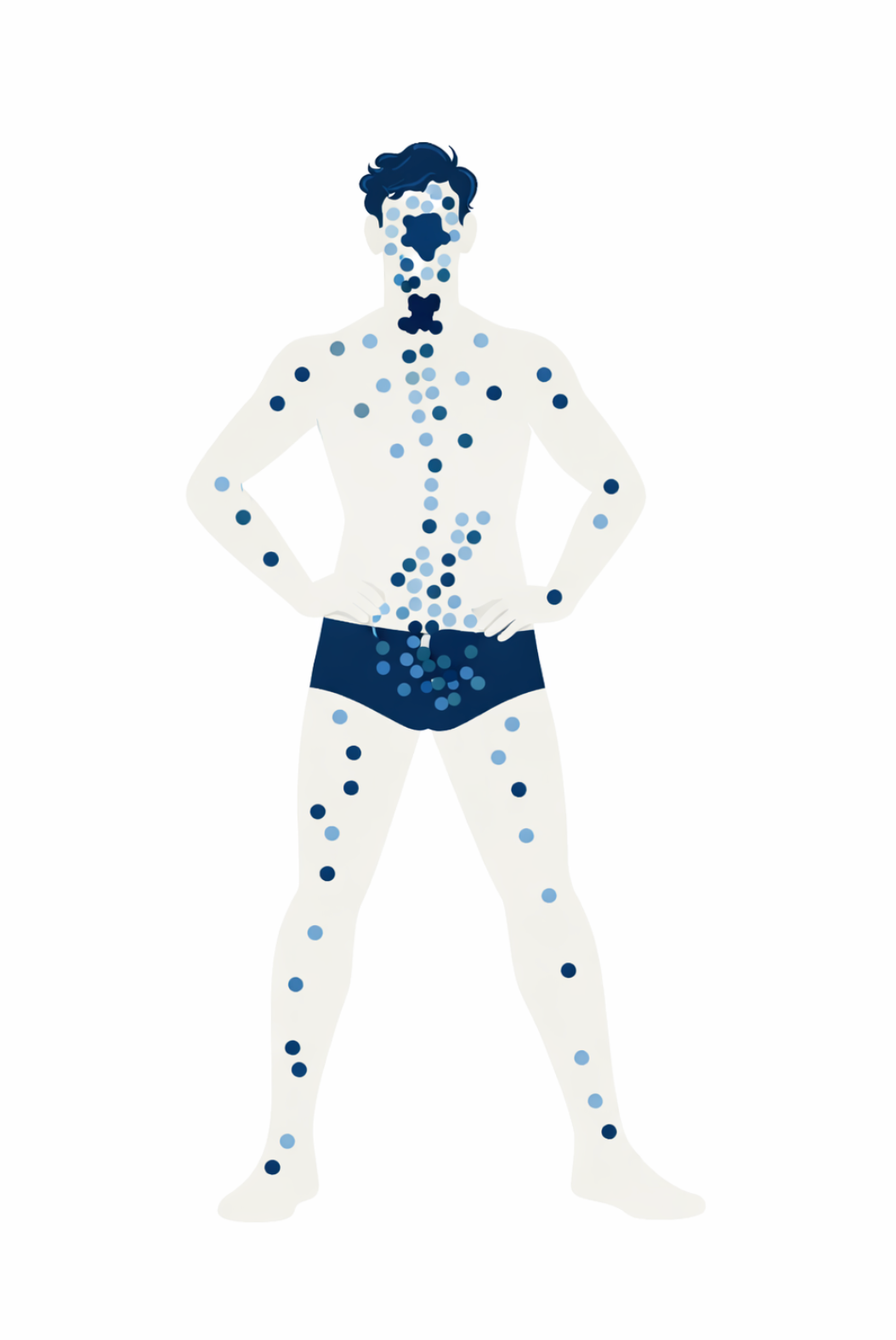
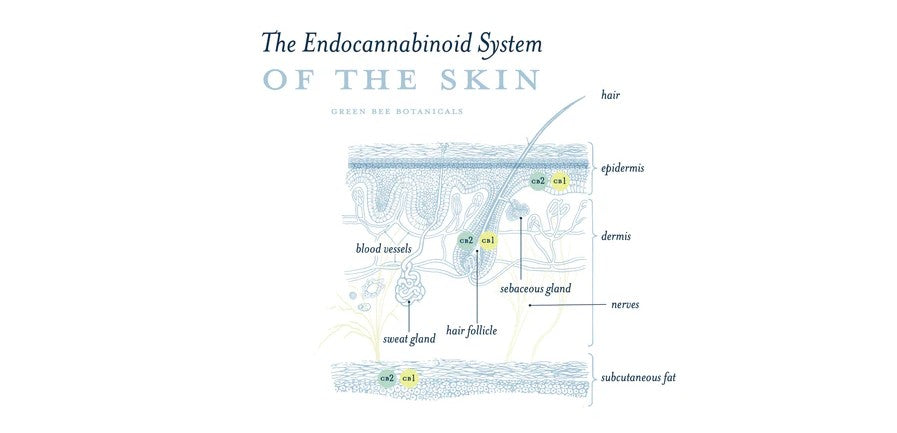
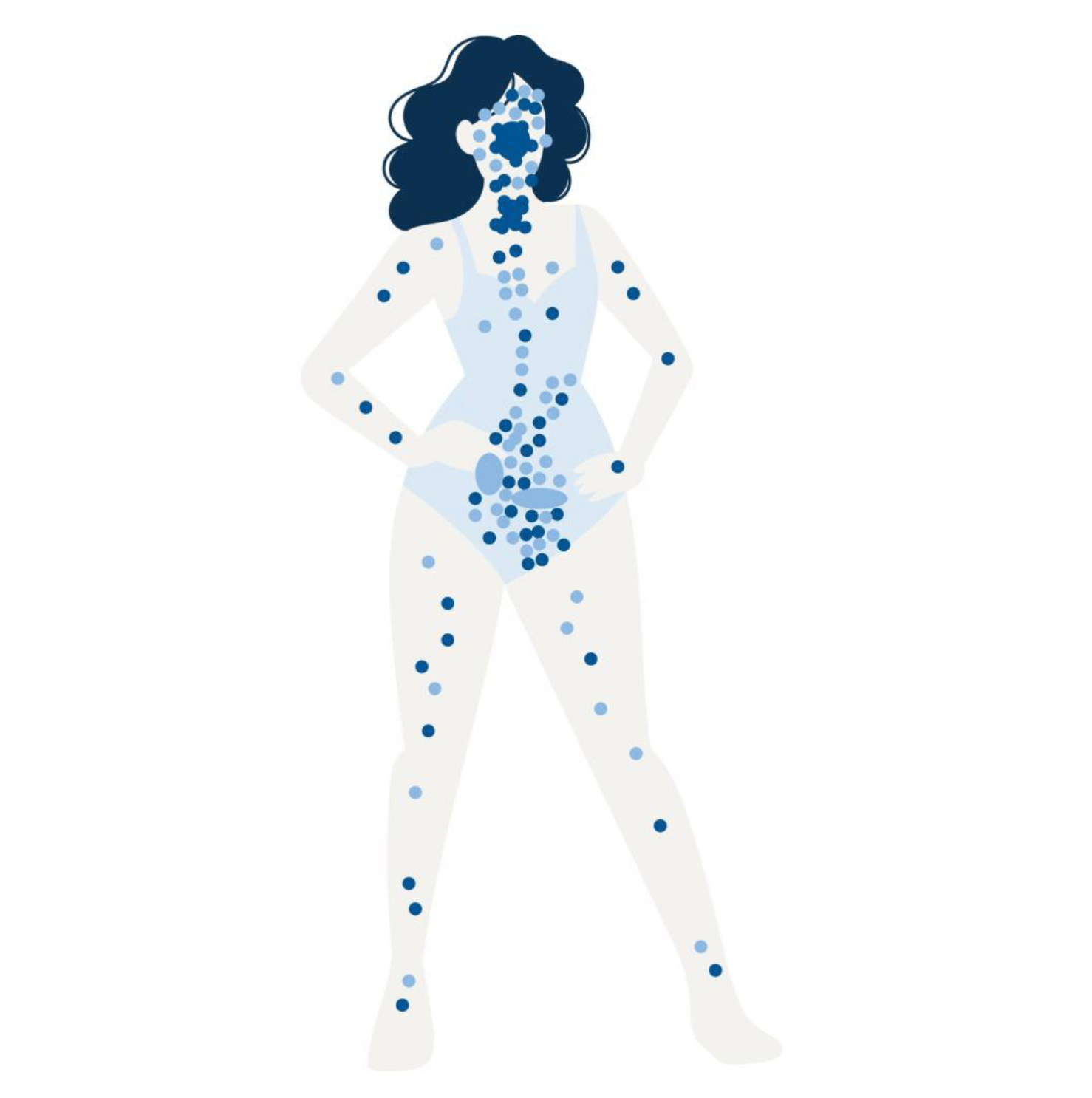
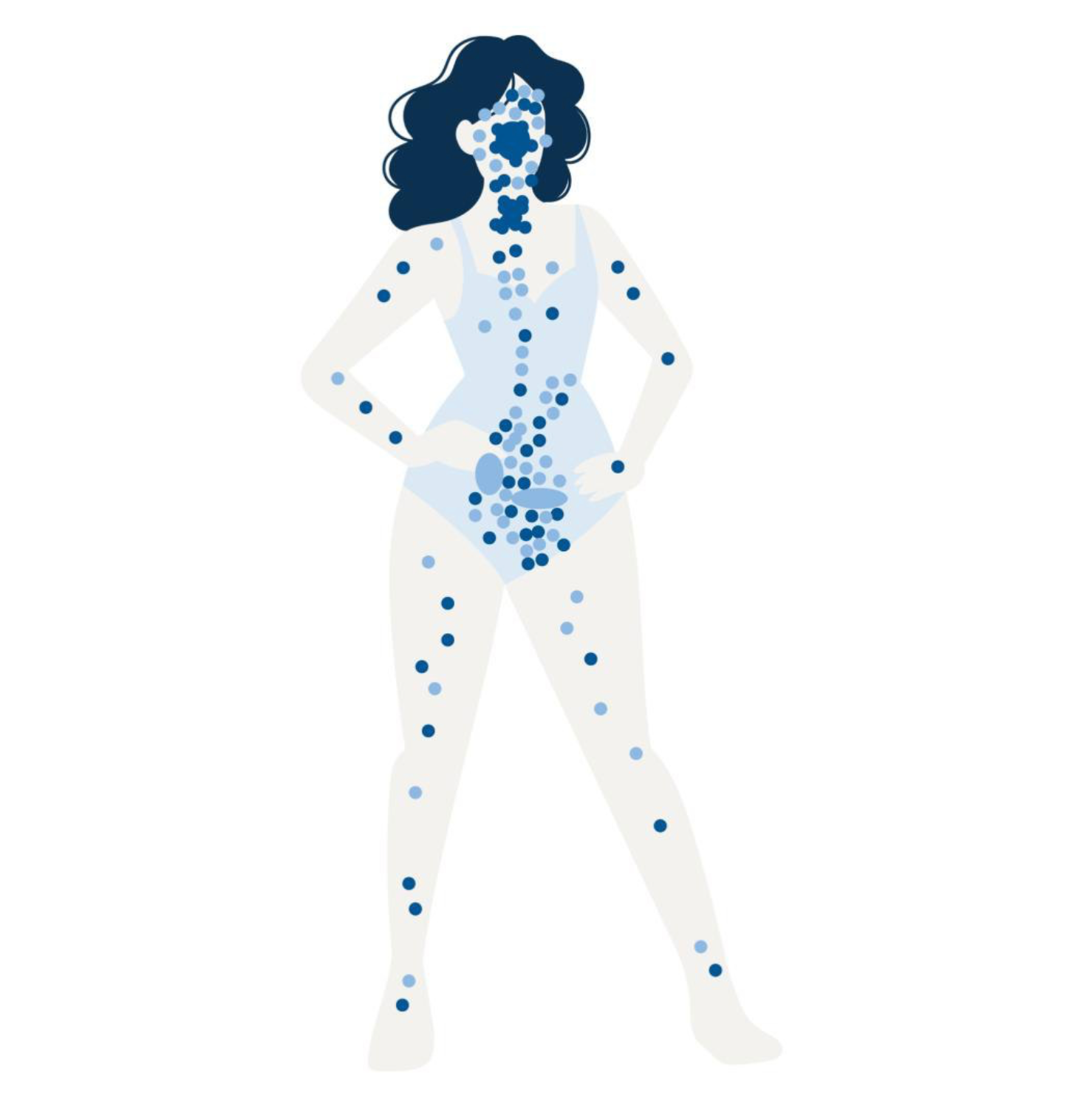
Cannabinoid receptors permeate the body and are in every organ, including skin. Researchers have identified two types of cannabinoid receptors so far: CB1 in the nervous system, connective tissues, organs, glands and gonads; and CB2 in the immune system. Many tissues, including skin, contain both CB1 and CB2 receptors, each serving a unique function. This is the key to how CBD and other phytocannabinoids can rebalance skin, regardless of what is causing the imbalance.  

What happens when the endocannabinoid system doesn’t function properly?

Now you know your endocannabinoid system — named after cannabis because the ECS was discovered while studying the effects of cannabis on the brain — produces natural endocannabinoids that flow through your body at all times. And you know the endocannabinoids’ function is to bind with receptors to maintain balance in your body’s organs and systems. 

The body generally does an amazing job maintaining this balance on its own. But sometimes things like stress, hormones, illness, toxins, and pollution overwhelm the system and the body can’t produce enough natural endocannabinoids to keep up, leading to imbalance. Researchers have named this phenomenon Clinical Endocannabinoid Deficiency. 

In a research paper on endocannabinoid system deficiency published in the National Library of Medicine, board-certified neurologist and psychopharmacology researcher Dr. Ethan B. Russo explains that an imbalance in endocannabinoids can lead to these endocannabinoid deficiency symptoms, among others:

  • A lower pain threshold
  • Disruptions in digestion, mood, and sleep
  • Skin disorders

“There are more cannabinoid receptors in the brain than there are for all the neurotransmitters put together,” notes Dr. Russo. Obviously that means the endocannabinoid system has the potential to have a powerful impact on the body. It’s a significant part of the makeup of every human being, and it can have a substantial effect on our health.

So how do we get our endocannabinoid system back in balance? This is where cannabis comes in.

You can replenish your ECS by supplementing with plant-based phytocannabinoids, internally and externally. 

At The Good People Farms storefront in Davis, CA, at our online store and through our Type 9 cannabis retail delivery business, you can find a number of phytocannabinoid products made with specific intention to replenish your ECS.

Published & Adapted with Permission from GreenBee Botanicals, Authors of This Blog Post. Discover their line of phytocannabinoid skincare products in our storefront and online.

Uncategorized

Your Endocannabinoid System Is The Secret to why CBD…

Published with Permission from GreenBee Botanicals, Authors of This Blog Post.

If you’re like most people on the planet, you didn’t learn in anatomy class that humans, like all vertebrates — from the clownfish to the kangaroo — have an endocannabinoid system (ECS) that regulates your body’s other systems and organs. 

But yes, you do indeed have an endocannabinoid system, and it’s the secret to why CBD and other phytocannabinoids are among the world’s most effective skincare ingredients. 

By the way, since many people ask us, and it’s a tough word to say, here’s how to pronounce endocannabinoid system: ˌen-dō- kə-ˈna-bə-ˌnȯid ˈsi-stəm (emphasis on the NA in canNAbinoid).

The purpose of the endocannabinoid system

What does the endocannabinoid system do? The whole point of your ECS is to maintain homeostasis, or balance, throughout your body. Think of your ECS as a wise internal communicator, working to keep everything in balance and functioning smoothly, from sleep and appetite to mood and inflammation.

For example, when your body temperature gets too cold or too hot, your ECS kicks in by sending endocannabinoids to bind with and instruct receptors to bring your temperature back to normal

In essence, your ECS is in charge of keeping you feeling well. 

What is the endocannabinoid system responsible for? 

If you came here asking, “Does the endocannabinoid system affect skin?” The answer is yes. In fact, your ECS controls many of your body’s most crucial functions, including, among others: 

  • Skin and nerve function
  • Inflammation and immune response
  • Pain
  • Appetite, digestion, metabolism
  • Sleep and energy level
  • Mood, stress, anxiety 
  • Memory and learning
  • Reproduction and fertility
  • Muscle and bone growth

If your body isn’t functioning optimally in any of these areas, you may not be producing enough endocannabinoids, for a variety of reasons (more on that later). This is when you might consider supplementing with phytocannabinoids — phyto meaning plant-based — such as CBD, CBDa, CBG, CBN, and dozens of others, which are found in abundance in cannabis and hemp.  

(Side note: Cannabis and hemp are actually the same plant species, Cannabis sativa. The key difference is how much THC each contains. In the US, hemp can contain only trace amounts of THC, 0.3% or less.)

When was the endocannabinoid system discovered?

If you hadn’t heard of the endocannabinoid system before, it’s likely because it was only discovered relatively recently. In fact, one of the most common Google searches related to the ECS is: “Is the endocannabinoid system real?”

Yes, it’s real. It’s hard to believe that in this day and age of modern medicine, new (or misunderstood) bodily systems and organs are still being discovered. But they are! Did you catch the headline news in 2017 that scientists ‘discovered’ a new organ in the gut called mesentery?

Similar to the mesentery, your endocannabinoid system isn’t new; researchers just hadn’t figured it out yet. Scientists estimate that the human body developed the endocannabinoid system more than 600 million years ago.

Read on to understand what the endocannabinoid system is and does, and how CBD skin care products can aid in healing nine common skin issues.

What is the endocannabinoid system, exactly?

The endocannabinoid system explained: The ECS is one of your body’s biological systems and is made up of three main components: 

  1. Endocannabinoids, short for endogenous cannabinoids, are neurotransmitters naturally produced by your body as needed to keep internal functions running smoothly. 
  2. Cannabinoid receptors are sensitive molecules that bind with cannabinoids, whether made by your body or a plant, and respond by signaling your body to take action, such as telling your immune cells to calm inflammation.
  3. Regulatory enzymes break down the cannabinoids once they’ve carried out their function. 

Together, these endocannabinoids, receptors, and enzymes create a complex communication system in charge of keeping pretty much everything in your body in check. The ECS is the master regulator for every major system in the body, from the nervous, respiratory, digestive, and endocrine systems, to the reproductive, lymphatic, and immune systems.

“This signaling system has a recognized activity on nervous system development, synaptic plasticity, learning and memory, neuroinflammation, pain and neurodegeneration, stress responsivity, mood and behavior, food intake and metabolism, reproduction, fertility and pregnancy, immune response, cardiac functions, cancer progression, and so much more,” writes Dr. Rosaria Meccariello in the International Journal of Molecular Sciences.

The ECS also regulates our integumentary system, a.k.a. our skin, our body’s largest organ.

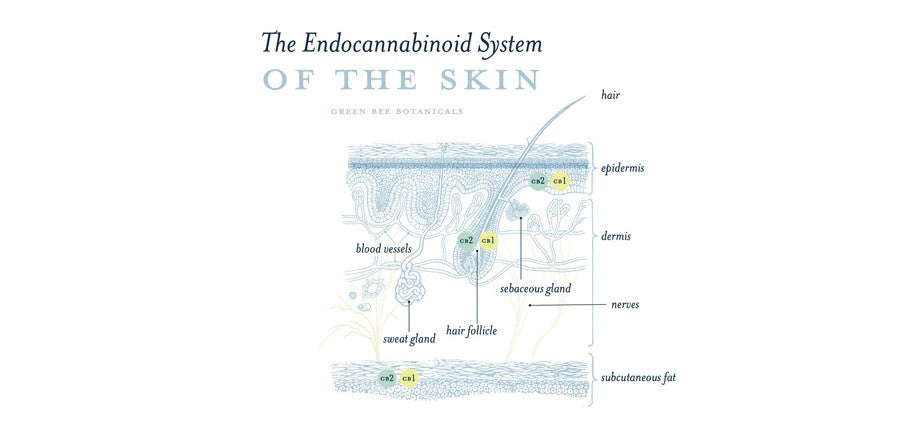
Cannabinoid receptors permeate the body and are in every organ, including skin. Researchers have identified two types of cannabinoid receptors so far: CB1 in the nervous system, connective tissues, organs, glands and gonads; and CB2 in the immune system. Many tissues, including skin, contain both CB1 and CB2 receptors, each serving a unique function. This is the key to how CBD and other phytocannabinoids can rebalance skin, regardless of what is causing the imbalance.  

What happens when the endocannabinoid system doesn’t function properly?

Now you know your endocannabinoid system — named after cannabis because the ECS was discovered while studying the effects of cannabis on the brain — produces natural endocannabinoids that flow through your body at all times. And you know the endocannabinoids’ function is to bind with receptors to maintain balance in your body’s organs and systems. 

The body generally does an amazing job maintaining this balance on its own. But sometimes things like stress, hormones, illness, toxins, and pollution overwhelm the system and the body can’t produce enough natural endocannabinoids to keep up, leading to imbalance. Researchers have named this phenomenon Clinical Endocannabinoid Deficiency

In a research paper on endocannabinoid system deficiency published in the National Library of Medicine, board-certified neurologist and psychopharmacology researcher Dr. Ethan B. Russo explains that an imbalance in endocannabinoids can lead to these endocannabinoid deficiency symptoms, among others:

  • A lower pain threshold
  • Disruptions in digestion, mood, and sleep
  • Skin disorders

“There are more cannabinoid receptors in the brain than there are for all the neurotransmitters put together,” notes Dr. Russo. Obviously that means the endocannabinoid system has the potential to have a powerful impact on the body. It’s a significant part of the makeup of every human being, and it can have a substantial effect on our health.

So how do we get our endocannabinoid system back in balance? This is where cannabis comes in.

You can replenish your ECS by supplementing with plant-based phytocannabinoids, internally and externally. 

9 skin conditions affected by your endocannabinoid system 

There are cannabinoid receptors all over your skin, and in every layer of it, including the surface (epidermis), oil glands (sebaceous glands), hair follicles, nerves, immune cells, and subcutaneous fat.

When your body’s natural endocannabinoids aren’t able to keep your skin in harmony, it can lead to:

  1. Acne
  2. Oiliness
  3. Dryness
  4. Itchiness
  5. Redness
  6. Oxidative stress
  7. Hyperpigmentation
  8. Pain
  9. Inflammation

Because the cannabinoid receptors in your skin bind with endocannabinoids as well as phytocannabinoids, you can address these imbalances with topical hemp products, such as oils and creams. Phytocannabinoids fill in when your body’s natural endocannabinoids aren’t cutting it on their own. Applied topically, phytocannabinoids — CBD, CBDa, CBG, CBN and dozens of others — bind with these cannabinoid receptors in your skin and signal them to create balance where needed.

Let that sink in. We had a major “Aha!” moment when we discovered this. Cannabis sativa really is a wonder-plant. And we love science!

Cannabinoids and skin

Phytocannabinoids have additional qualities that make them ideal for skincare: they have scientifically-proven antioxidant, anti-inflammatory, protective, regenerative, and antibacterial properties.

While a 50-year ban on cannabis research in the US was in effect until recently, there’s a fast-growing body of scholarly research that explains how your skin’s endocannabinoid system influences and balances every layer, cell, and component of your skin — affecting all nine skin issues above.

A study published in November 2023 in the International Journal of Molecular Sciences concludes: “Preliminary studies indicate cannabinoids can improve eczema, acne, pruritus, psoriasis, hair growth, and skin cancer and have anti-aging effects on skin.”

The science has evolved enough that we now know there are specific cannabinoids for skin diseases and hair regrowth, such as CBD and CBDa, and CBD skin care benefits. From the “Skin Applications of Cannabidiol” study published in March 2023 in the journal Phytochem:

“There is already an important amount of scientific evidence which proves the benefits and therapeutic applications of CBD. CBD has several skin biological properties that make it a compound that can simultaneously act on different targets of multifactorial diseases such as ATD, psoriasis, acne, epidermolysis bullosa, systemic sclerosis, seborrheic dermatitis, scalp psoriasis, androgenetic alopecia and melanoma.”

Here’s another good paper if you’d like to dive deeper: Cannabinoid Signaling in the Skin: Therapeutic Potential, published in the journal Molecules in 2019. It covers acne, atopic dermatitis, fibrosis, hair growth, inflammation, itch, psoriasis, tumors, wound healing, and more.

Published with Permission from GreenBee Botanicals, Authors of This Blog Post.

Uncategorized

Regular Pre-rolls vs. Live Resin Infused Pre-rolls: What’s the…

Pre-rolls are a convenient way to enjoy cannabis because they come ready-to-use and eliminate the need to grind flower or roll a joint yourself. [1][2] Within the pre-roll category, two common options are regular (flower-only) pre-rolls and live resin infused pre-rolls. This guide covers what’s similar, what’s different, and why many customers seek out Koa.   

What both types have in common

  1. They’re both pre-made joints prepared for consumer-ready use. [1][2]
  2. They typically contain cannabis flower wrapped in rolling paper, and often include a filter/crutch. [2]
  3. They’re often strain-labeled and widely available in legal markets. [2]

Regular pre-rolls: the classic, flower-forward option

A regular pre-roll is a ready-to-go joint filled primarily with cannabis flower. [2]

Why customers choose regular pre-rolls:

  • Straightforward and familiar: it’s the classic joint experience. [2]
  • Often easier to pace: fewer added variables than infused products. [2]
  • Flower-forward flavor: what you taste is largely the cured flower itself. [2]

Live resin infused pre-rolls: flower plus concentrate

An infused pre-roll is a pre-roll with a cannabis concentrate added to the flower. [3] The concentrate can be applied to the outside of the pre-roll and/or incorporated inside, depending on the product. [3][4] Because concentrates are added, infused pre-rolls are commonly chosen by consumers who want a stronger experience than flower alone. [4]


What “live resin” means (and why it matters)

Live resin is a concentrate produced using fresh frozen cannabis material rather than dried/cured buds. [5] This approach is commonly associated with retaining more of the plant’s aromatic compounds, which many consumers seek for a bigger aroma and flavor experience. [5] Those aromatic compounds—often discussed as terpenes—contribute to cannabis smell and flavor. [6]

In practical terms, a live resin infused pre-roll is typically flower + live resin, made for a stronger and often more aroma-forward session than flower alone. [4][5]


The practical differences in the real-world experience

1) Potency

Infused pre-rolls generally deliver a more intense experience than regular pre-rolls because they include added concentrate. [3][4]

2) Flavor and aroma

Live resin is commonly sought for a more pronounced aroma/flavor profile, consistent with its fresh frozen starting material and terpene retention. [5][6]

3) “Intensity per puff”

Because infused pre-rolls include concentrate, many consumers experience them as “stronger per puff,” making pacing especially important for newer or lower-tolerance customers. [4]

__________________________________________________________________________

Why customers may enjoy live resin infused pre-rolls

Customers often choose live resin infused pre-rolls when they want:

  • More potency in fewer puffs (an “efficient” session). [4]
  • More aroma and flavor than a standard flower-only pre-roll. [5][6]
  • Convenience without additional gear (no dab rig or vape device required). [1][2]

Where Koa fits: what makes Koa distinct

Koa emphasizes:

  • Indoor flower + live resin, and a production approach described as “selected, cured, blended, and packed” to preserve aroma. [7]
  • High potency, with the brand stating it tests consistently above a specific threshold. [7]
  • One-sitting convenience, explicitly positioning the product around finishing a pre-roll in one sitting rather than leaving half-smoked joints behind. [7]
  • Collectible, reusable tins, described as limited-edition and designed for reuse. [8]
  • Sloth conservation initiatives, including partnerships with conservation organizations. [9]

Koa product list (and why customers choose it)

The Good People Farms Type-9 retail delivery license carries a selection of Koa products because customers consistently respond well to the combination of high quality, convenient formats, and positive customer feedback—especially for people who want “strong, small, and easy.” (Availability and strains vary by available inventory.)

Koa is commonly found in two core mini formats:

1) Live resin infused mini pre-rolls — 10-pack (3.5g total)

This format is frequently listed as 10 × 0.35g minis (3.5g total), built for portability and easy pacing across multiple sessions. [11][13]

2) Live resin infused mini pre-rolls — 2-pack (0.7g total)

Koa is also commonly available as a 2-pack listed as 2 × 0.35g minis (0.7g total)—a smaller option for a quick solo session or a shareable moment without committing to a larger multi-pack. [12]

Choosing the right option: a simple shopper guide

Choose regular pre-rolls if you want:

  • A simpler, flower-only session. [2]
  • A “classic joint” feel. [2]

Choose live resin infused pre-rolls if you want:

  • A stronger session than flower alone. [3][4]
  • A more aroma- and flavor-forward experience. [5][6]

Choose Koa if you specifically want:

  • A mini format designed for one-sitting convenience and high potency positioning. [7]
  • Collectible reusable packaging and conservation-forward brand story. [8][9]

Consumer safety and education – Because We Care

  • This article is for educational purposes only and is not medical advice.
  • Start with a small puff, wait, and reassess—especially with infused products. [4]
  • Cannabis can impair reaction time, coordination, and judgment. Do not drive or operate machinery after use. [10]
  • Keep cannabis away from children and pets.

__________________________________________________________________________

Footnotes

[1] Pre-roll definition (dictionary). 
[2] Pre-roll definition (glossary/consumer education). 
[3] Infused pre-roll definition (glossary). 
[4] Infused pre-rolls overview and common infusion methods (inside/outside). 
[5] Live resin definition (fresh frozen starting material; terpene retention). 
[6] Terpenes definition (aroma/flavor compounds). 
[7] Koa official site (indoor flower + live resin; potency positioning; one-sitting convenience; aroma-preservation language). 
[8] Koa official site (collectible, reusable tins; since 2023). 
[9] Koa official site (sloth initiatives/conservation partnerships). 
[10] Impairment and driving safety. 
[11] Example listing showing 10 × 0.35g format and 3.5g total. 

Uncategorized

dompen™: simple vapes, big flavor, easy choices

Dompen is built for people who want vaping to feel straightforward: clean format, strong strains, and a lineup that’s easy to shop by vibe. [2][3]

Two ways to enjoy dompen™:

1) All-in-One vapes (inhale-activated)

Dompen’s all-in-ones are designed for an “easy from the first pull” experience — no complicated settings, just pick up → inhale → enjoy energy. [2][3]

·No-button, inhale-activated ease.
Dompen’s all-in-ones are designed for a clean, straightforward experience—especially for customers who don’t want to “learn” a device. [1][2]

 ·Hardware that prioritizes smooth pulls.
Third-party product listings describe dompen’s newer all-in-one format as tuned for airflow and reliability, with features like clog-prevention language and a ceramic element/wick callout. [10]

2) 510 cartridges (use your own battery)

Prefer cartridges? Dompen also offers their strains in cartridge format, including options like Midnight Berry, Blue Dream, Lemon Cherry Gelato, California Citrus, Pineapple Coast, and King Louis. [1] These are available as 510-thread cartridges (a common industry standard), meaning they’re made to pair with a compatible 510 battery. [6][7]

 Why customers like 510 carts:

·       You can use a battery you already own (or choose one you like). [6][7]

·       You may be able to adjust heat/voltage depending on the battery — helpful for flavor vs. cloud preference. [7]

·       Third-party listings emphasize performance language like airflow and clog-prevention design. [8]

_________________________________________________________________________

The dompen lineup: choose your lane

Classic (high-THC)

This is dompen’s “everyday” lane—simple, potent, and built for consistent, on-the-go use. If you’re looking for a straightforward, high-THC all-in-one with big flavor energy, start here. [2]

Ratio (CBD-forward balance)

Prefer a more balanced experience? dompen’s Ratio options are built around CBD:THC formats and gentle flavor profiles (including tea-inspired options like Moroccan Mint, Honey Citrus, and Chamomile). [3] (Great for customers who want to feel functional, grounded, or simply “less intense.”)

Live Resin / “true-to-plant” lane

For customers who care about terpene expression and a closer-to-flower experience, dompen highlights a live resin approach that emphasizes being additive-free and terpene-forward. [4]

Luna / CBN-forward, wind-down vibe

Luna is dompen’s nighttime lane—positioned as a sleep-leaning formula built around CBN (with supporting cannabinoids listed as part of the formula story) and a Lavender Vanilla profile. [5]

___________________________________________________________________________

dompen product list (and why The Good People Farms customers choose them)

Classic (High-THC)

·       Midnight Berry (Indica) 

·       Pineapple Coast (Hybrid) 

·       California Citrus (Sativa) 

·       Blue Dream (Sativa) 

·       King Louis XIII (Indica) 

·       Lemon Cherry Gelato (Hybrid) 

Ratio (High-CBD)

·       Moroccan Mint (1 CBD : 1 THC) 

·       Honey Citrus (4 CBD : 1 THC) 

·       Chamomile (18 CBD : 1 THC) 

Luna (High-CBN)

·       Lavender Vanilla (Indica + CBN) 

Collaborations / Limited Editions (All-in-One)

·       EVOL by Future: Blueberry Bandz, Pluto Grape, Super Trapper Tangie 

·       #BreatheWithMe: Peach Mango, Blackberry Lime 

·       THC Design: Crescendo 

·       Sundae School: Black Yuzu OG 

·       dompen Studios Release: Grapefruit 

Seasonal Strains

·       Uncle Sam’s Secret 

·       Granny’s Apple Pie 

·       Pineapple Orange Guava 

_____________________________________________________________________. Extra points: sustainability + community 

Dompen promotes a recycling initiative (domGREEN) that accepts vape components like cartridges, batteries, and all-in-ones through participating retailers, plus occasional incentives. [6] They also feature community initiatives and charitable tie-ins across certain campaigns. [13]

_________________________________________________________________________

Our friendly safety note (because we care)

Cannabis can impair coordination and judgment. For adults only where legal. If you’re new to cannabis, start low and go slow—especially if you’re sensitive or unsure. This is educational content, not medical advice.

__________________________________________________________________________

References 

[1] dompen — All-in-Ones (product lineup)
[2] dompen — Classic (designer strains / format)
[3] dompen — Ratio (CBD:THC options)
[4] dompen — Live Resin / terpene-forward positioning
[5] dompen — Luna (CBN-forward positioning)
[6] dompen — Mission / domGREEN recycling initiative
[7] dompen — EVOL by Future collaboration page

[8] Weedmaps menu listing example — dompen “510 thread” cartridge copy (1g + airflow/clog-prevention/next-gen wick language). 
[10] Weedmaps — dompen product listing (hardware/performance descriptors)
[13] dompen — Community Initiatives page

Uncategorized

Terpenes 101: The Aromas Behind Cannabis (and Many Other…

(The terpene graphic featured in this article is from Leafly.)

If you’ve ever noticed that one cannabis flower smells like fresh pine while another smells like citrus, you’re already experiencing terpenes—the aromatic compounds that help create a plant’s signature scent and flavor. [1,4]

What are terpenes?

Terpenes (and their oxygenated relatives, often called terpenoids) are naturally occurring aromatic compounds made by many plants. They’re a major part of the essential oils and resins that give plants like lavender, pine trees, and oranges their recognizable smell. [1,2]

In nature, terpenes also help plants survive—acting as part of a plant’s defense and communication system (for example, discouraging pests or attracting beneficial insects). [1]

Terpenes aren’t just in cannabis

Cannabis gets a lot of attention for terpenes, but terpenes are widespread across the plant world. You’ll find them in everyday botanicals like:

  • Citrus peels (bright, zesty notes) [1]
  • Pine needles and conifers (fresh, evergreen notes) [3]
  • Lavender (soft floral notes) [8]
  • Black pepper and cloves (spicy notes) [1,7]
  • Hops (earthy, herbal notes) [11]

Where are terpenes found in cannabis?

In cannabis, terpenes are part of the resin produced in the plant’s glandular trichomes (the tiny “crystals” on flower). These trichomes are also where cannabinoids accumulate—so aroma and cannabinoid chemistry often travel together. [3,4,12]

How can terpenes benefit an individual?

Terpenes primarily shape aroma and flavor, but many terpenes also show bioactive properties in lab and animal studies (for example: anti-inflammatory, antimicrobial, analgesic, anxiolytic, and antioxidant activity). [1,2]

In cannabis, researchers and testing labs often discuss terpenes as one factor that may contribute to differences in how products feel from person to person—sometimes described as part of the “entourage effect.” The science is still evolving, and effects can vary widely by dose, product type, and the individual. [1,4]

A quick guide to six common cannabis terpenes

Below are six commonly discussed terpenes, their typical aroma notes, where else they appear in nature, and what research suggests (with the important caveat that much of this evidence is preclinical and not a promise of results). [1,2,4]

Myrcene

  • Often smells like: earthy, herbal, musky [1,9]
  • Also found in: hops, thyme, lemongrass, mango [1]
  • Research notes: studied for pain-relief pathways and may have sedating effects in some contexts; findings are mixed and dose-dependent. [1,9]

Limonene

  • Often smells like: citrus (lemon/orange) [1]
  • Also found in: citrus essential oils and many citrus peels [1]
  • Research notes: associated with “uplifting” perceptions; studied for interactions with serotonin-related pathways and anti-inflammatory/antioxidant activity in certain models. [1]

Pinene (α-pinene / β-pinene)

  • Often smells like: pine, fresh evergreen [1,10]
  • Also found in: conifers, rosemary, dill, basil and many essential oils [1,10]
  • Research notes: investigated for anti-inflammatory and neuroprotective potential among other bioactivities; human evidence is still limited and depends heavily on context and dose. [1,10]

Linalool

  • Often smells like: floral (lavender-like) [8]
  • Also found in: lavender and other aromatic plants [8]
  • Research notes: studied for calming/anxiolytic and antidepressant-like effects in preclinical research, including potential sedative properties in certain models. [8]

β-Caryophyllene

  • Often smells like: pepper, spice, cloves [1,7]
  • Also found in: black pepper and cloves [1,7]
  • Research notes: notable because it can interact with the endocannabinoid system via the CB2 receptor(generally associated with immune signaling rather than intoxication). Studied for anti-inflammatory and pain-related effects. [1,7]

Humulene (α-humulene)

  • Often smells like: earthy, woody, “hops-like” [1,11]
  • Also found in: hops and other essential-oil–producing plants [1,11]
  • Research notes: investigated for anti-inflammatory, antimicrobial, and other bioactivities; evidence spans many preclinical studies and is still being translated to real-world clinical use. [11]

Why terpene profiles can vary (even within the “same strain”)

Terpene profiles aren’t perfectly fixed. Cultivation choices, harvest timing, drying/curing, and storage conditions can shift terpene content—especially the more volatile aromatics. [4,5] That’s why lab-tested products (with terpene results on a Certificate of Analysis) are the most reliable way to know what’s actually in a specific batch. [1,5]

Heat matters: preserving terpene flavor and aroma

Terpenes are volatile, meaning they evaporate more easily than many other plant compounds. Higher temperatures can drive off delicate aroma compounds faster—one reason low-temperature approaches are often discussed for flavor preservation. [4,6]
Published boiling points vary by compound and conditions, but many commonly discussed cannabis terpenes fall into ranges that can be affected by typical heating methods. [6]

Health and education disclaimers

This article is for education only and is not medical advice. Cannabis effects vary widely by person, product, dose, and setting. If you have a medical condition, take medications, or have questions about mental health, talk with a qualified healthcare professional.

If you choose to use cannabis, start low and go slow—especially with edibles and new products. Cannabis can be intoxicating and impair attention, judgment, and coordination. Do not drive or operate machinery after use. Keep all cannabis products away from children and pets.

These statements have not been evaluated by the U.S. Food and Drug Administration (FDA). Cannabis products are not intended to diagnose, treat, cure, or prevent any disease.


References 

  1. https://www.sclabs.com/terpenes/
  2. https://pmc.ncbi.nlm.nih.gov/articles/PMC9039924/
  3. https://inspection.canada.ca/en/plant-varieties/plants-novel-traits/applicants/directive-94-08/biology-documents/cannabis-sativa
  4. https://pmc.ncbi.nlm.nih.gov/articles/PMC7763918/
  5. https://pmc.ncbi.nlm.nih.gov/articles/PMC11013261/
  6. https://pmc.ncbi.nlm.nih.gov/articles/PMC9608144/
  7. https://www.pnas.org/doi/abs/10.1073/pnas.0803601105
  8. https://pmc.ncbi.nlm.nih.gov/articles/PMC9886818/
  9. https://pmc.ncbi.nlm.nih.gov/articles/PMC8326332/
  10. https://pmc.ncbi.nlm.nih.gov/articles/PMC6920849/
  11. https://pmc.ncbi.nlm.nih.gov/articles/PMC11254484/
  12. https://pmc.ncbi.nlm.nih.gov/articles/PMC8488169/
Uncategorized

“Broad Spectrum” & “The Entourage Effect” – What Do…

And Why They Matter

In THC cannabis, “broad spectrum” is commonly used to describe products that deliver more than “THC only”—because they include THC plus additional cannabinoids and terpenes. That wider mix is also why you’ll hear people talk about the entourage effect, the idea that cannabis compounds may influence the experience when they’re present together. [1–5]


1) What “Broad Spectrum” means in cannabis

In everyday cannabis industry language, broad spectrum generally refers to cannabis extracts/oils that contain:

  • THC (often high potency),
  • other cannabinoids (sometimes called “minor cannabinoids” such as CBD, CBG, CBN), and
  • terpenes (aroma/flavor compounds). [1–3]

Broad spectrum is often used to communicate a product that feels more “plant-like” or “strain-forward” than a highly refined THC-only product—especially in vapes and concentrates. [2–3]


2) Broad spectrum vs. THC-only (why they can feel different)

THC-only / distillate-forward products

Distillate is commonly described as a cannabis extract that has been stripped down to primarily one cannabinoid (usually THC), which is one reason it can be a popular “maximum potency per dollar” option. [6]

Because terpenes are often reduced during distillation, many distillate products have a more neutral profile unless terpenes are added back. [2,6]

Broad spectrum / terpene-rich extracts

Broad spectrum products typically aim to preserve (or deliver) a wider cannabinoid + terpene profile, which many consumers associate with fuller flavor and a more nuanced experience. [2–4]


3) What “The Entourage Effect” means

The entourage effect is the hypothesis that cannabis compounds—especially cannabinoids and terpenes—may work together in additive or synergistic ways, shaping effects differently than THC alone. [4]

Research reviews discuss plausible cannabinoid–terpene interactions, while other researchers caution that “entourage effect” claims can be overstated and may vary by formulation and dose. [4–5]


4) Why broad spectrum / “entourage-style” products often cost more (and why)

Customers are often right: products marketed as broad spectrum or “entourage” experiences (especially live resin and rosin/live rosin) are usually more expensive. Common reasons include:

  1. More expensive starting material
    Live resin is made from fresh-frozen cannabis, which is handled differently than dried/cured material and is often positioned as preserving more of the plant’s original profile—steps that add cost. [3,7]
  2. More complex processing to preserve terpenes and “plant character”
    Producing live resin is often described as more involved than making distillate, and that complexity is one reason it’s commonly priced higher than distillate. [7]
  3. Rosin (and live rosin) is typically labor-intensive and lower-yield
    Rosin is widely described as more expensive than solvent-based concentrates because it’s more time- and labor-intensive and is often treated as a craft/artisanal concentrate. [8]

Simple way to think about it:
THC-only products often prioritize potency and affordability, while broad spectrum / entourage-style products often prioritize preserving a richer cannabinoid + terpene profile, which can raise production costs. [6–8]


5) Where you’ll see “broad spectrum” and entourage-style products in cannabis

In THC cannabis, broad spectrum / entourage-style experiences are most commonly associated with:

  • Live resin vape cartridges and concentrates [3,7]
  • Rosin / live rosin concentrates and (in some markets) rosin cartridges [8]
  • Other terpene-forward extracts that emphasize a wider plant profile [2–3]

(Labels aren’t perfectly standardized, so the most reliable confirmation is the cannabinoid/terpene information when available.) [2–3]


6) How The Good People Farms supports different needs and budgets

At The Good People Farms, we intentionally offer a range so customers can match products to both preference and price point:

  • Broad spectrum / entourage-style options for customers who prioritize flavor, aroma, and a more nuanced experience. [2–4,7–8]
  • THC-only options for customers who want straightforward potency and a more budget-friendly choice. [6]

There’s no “right” choice—just the one that best fits your goals that day.


Responsible-use note

This material is for educational purposes only and is not medical advice. THC can impair attention, coordination, and judgment. Effects vary by person, dose, product composition, and method of use. Start low and go slow—especially with concentrates and high-THC vapes. Do not drive or operate machinery if you feel impaired.


References

  1. Weedmaps Dictionary — Live resin definition and process (fresh-frozen; aims to capture cannabinoids and terpenes).
  2. Leafly — Live resin guide (live resin vs distillate; distillate processing often lacks terpenes, affecting flavor/aroma).
  3. Leafly — Vape cart types and live resin context (live resin commonly used in carts for flavor/aroma).
  4. Russo EB. “Taming THC: potential cannabis synergy and phytocannabinoid-terpenoid entourage effects.” British Journal of Pharmacology (2011).
  5. Cogan PS. “The ‘entourage effect’ or ‘hodge-podge hashish’…” Expert Review of Clinical Pharmacology (2020).
  6. Weedmaps — THC distillate definition (stripped to primarily one cannabinoid; very high potency).
  7. LivWell — Live resin vs distillate (live resin often pricier due to fresh-frozen inputs and more complex extraction).
  8. Leafly — Rosin guide (rosin typically more expensive because it’s more time- and labor-intensive; considered craft/artisanal).