Meet Your Endocannabinoid System: What It Is & What…
Published & Adapted with Permission from GreenBee Botanicals, Original Authors of This Blog Post.
If you’re like most people on the planet, you didn’t learn in anatomy class that humans, like all vertebrates — from the clownfish to the kangaroo — have an endocannabinoid system (ECS) that regulates your body’s other systems and organs. But yes, you do indeed have an endocannabinoid system!
By the way, since many people ask us, and it’s a tough word to say, here’s how to pronounce endocannabinoid system: ˌen-dō- kə-ˈna-bə-ˌnȯid ˈsi-stəm (emphasis on the NA in canNAbinoid).
The purpose of the endocannabinoid system
What does the endocannabinoid (ECS) system do? The whole point of your ECS is to maintain homeostasis, orbalance, throughout your body. Think of your ECS as a wise internal communicator, working to keep everything in balance and functioning smoothly, from sleep and appetite to mood and inflammation.
For example, when your body temperature gets too cold or too hot, your ECS kicks in by sending endocannabinoids to bind with and instruct receptors to bring your temperature back to normal.
In essence, your ECS is in charge of keeping you feeling well.
What is the endocannabinoid system responsible for?
Your ECS controls many of your body’s most crucial functions, including, among others:
- Skin and nerve function
- Inflammation and immune response
- Pain
- Appetite, digestion, metabolism
- Sleep and energy level
- Mood, stress, anxiety
- Memory and learning
- Reproduction and fertility
- Muscle and bone growth
If your body isn’t functioning optimally in any of these areas, you may not be producing enough endocannabinoids, for a variety of reasons (more on that later). This is when you might consider supplementing with phytocannabinoids — phyto meaning plant-based — such as CBD, CBDa, CBG, CBN, and dozens of others, which are found in abundance in cannabis and hemp.
(Side note: Cannabis and hemp are actually the same plant species, Cannabis sativa L. The key difference is how much THC each contains. In the US, hemp can contain only trace amounts of THC, 0.3% or less.)
When was the endocannabinoid system discovered?
If you hadn’t heard of the endocannabinoid system before, it’s likely because it was only discovered relatively recently. In fact, one of the most common Google searches related to the ECS is: “Is the endocannabinoid system real?”
Yes, it’s real. It’s hard to believe that in this day and age of modern medicine, new (or misunderstood) bodily systems and organs are still being discovered. But they are! Did you catch the headline news in 2017 that scientists ‘discovered’ a new organ in the gut called mesentery?
Similar to the mesentery, your endocannabinoid system isn’t new; researchers just hadn’t figured it out yet. Scientists estimate that the human body developed the endocannabinoid system more than 600 million years ago.
Read on to understand what the endocannabinoid system is and does.
What is the endocannabinoid system, exactly?
The endocannabinoid system explained: The ECS is one of your body’s biological systems and is made up of three main components:
- Endocannabinoids, short for endogenous cannabinoids, are neurotransmitters naturally produced by your body as needed to keep internal functions running smoothly.
- Cannabinoid receptors are sensitive molecules that bind with cannabinoids, whether made by your body or a plant, and respond by signaling your body to take action, such as telling your immune cells to calm inflammation.
- Regulatory enzymes break down the cannabinoids once they’ve carried out their function.
Together, these endocannabinoids, receptors, and enzymes create a complex communication system in charge of keeping pretty much everything in your body in check. The ECS is the master regulator for every major system in the body, from the nervous, respiratory, digestive, and endocrine systems, to the reproductive, lymphatic, and immune systems.
“This signaling system has a recognized activity on nervous system development, synaptic plasticity, learning and memory, neuroinflammation, pain and neurodegeneration, stress responsivity, mood and behavior, food intake and metabolism, reproduction, fertility and pregnancy, immune response, cardiac functions, cancer progression, and so much more,” writes Dr. Rosaria Meccariello in the International Journal of Molecular Sciences.
The ECS also regulates our integumentary system, a.k.a. our skin, our body’s largest organ.
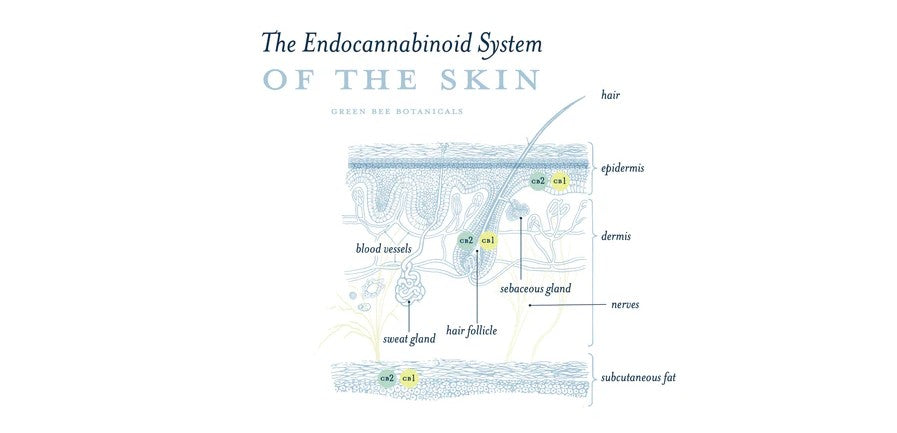
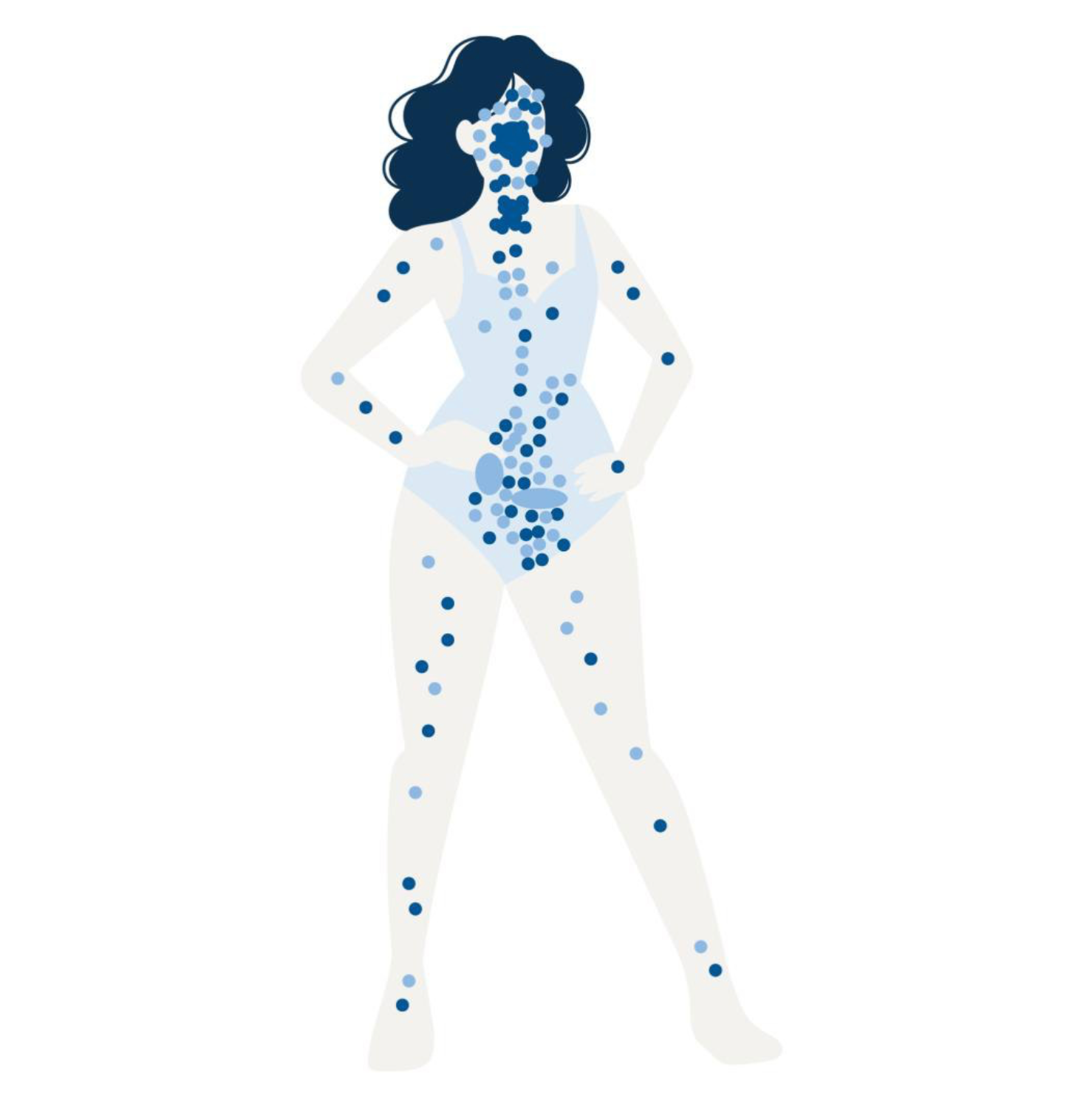
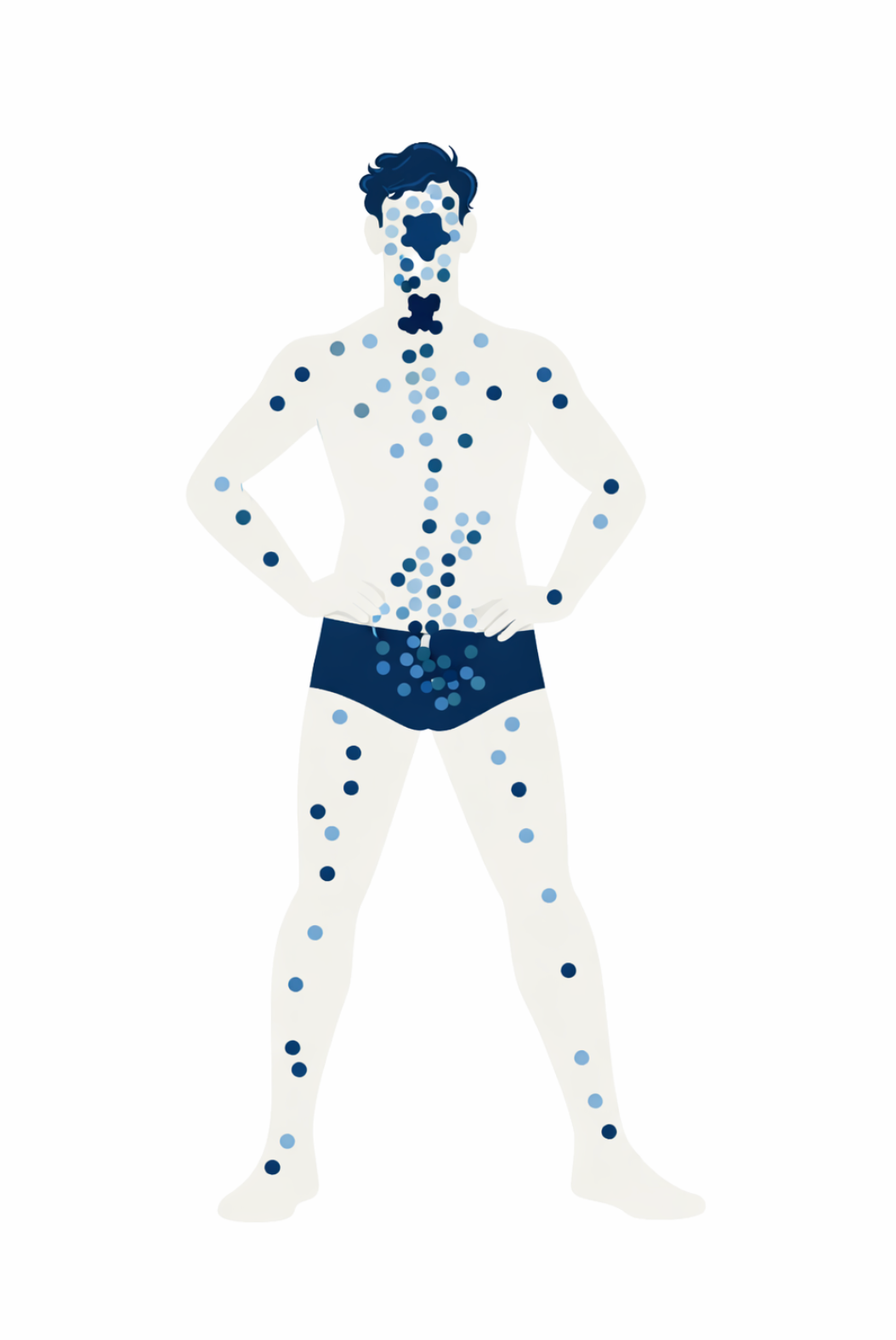
Cannabinoid receptors permeate the body and are in every organ, including skin. Researchers have identified two types of cannabinoid receptors so far: CB1 in the nervous system, connective tissues, organs, glands and gonads; and CB2 in the immune system. Many tissues, including skin, contain both CB1 and CB2 receptors, each serving a unique function. This is the key to how CBD and other phytocannabinoids can rebalance skin, regardless of what is causing the imbalance.
What happens when the endocannabinoid system doesn’t function properly?
Now you know your endocannabinoid system — named after cannabis because the ECS was discovered while studying the effects of cannabis on the brain — produces natural endocannabinoids that flow through your body at all times. And you know the endocannabinoids’ function is to bind with receptors to maintain balance in your body’s organs and systems.
The body generally does an amazing job maintaining this balance on its own. But sometimes things like stress, hormones, illness, toxins, and pollution overwhelm the system and the body can’t produce enough natural endocannabinoids to keep up, leading to imbalance. Researchers have named this phenomenon Clinical Endocannabinoid Deficiency.
In a research paper on endocannabinoid system deficiency published in the National Library of Medicine, board-certified neurologist and psychopharmacology researcher Dr. Ethan B. Russo explains that an imbalance in endocannabinoids can lead to these endocannabinoid deficiency symptoms, among others:
- A lower pain threshold
- Disruptions in digestion, mood, and sleep
- Skin disorders
“There are more cannabinoid receptors in the brain than there are for all the neurotransmitters put together,” notes Dr. Russo. Obviously that means the endocannabinoid system has the potential to have a powerful impact on the body. It’s a significant part of the makeup of every human being, and it can have a substantial effect on our health.
So how do we get our endocannabinoid system back in balance? This is where cannabis comes in.
You can replenish your ECS by supplementing with plant-based phytocannabinoids, internally and externally.
At The Good People Farms storefront in Davis, CA, at our online store and through our Type 9 cannabis retail delivery business, you can find a number of phytocannabinoid products made with specific intention to replenish your ECS.
Published & Adapted with Permission from GreenBee Botanicals, Authors of This Blog Post. Discover their line of phytocannabinoid skincare products in our storefront and online.